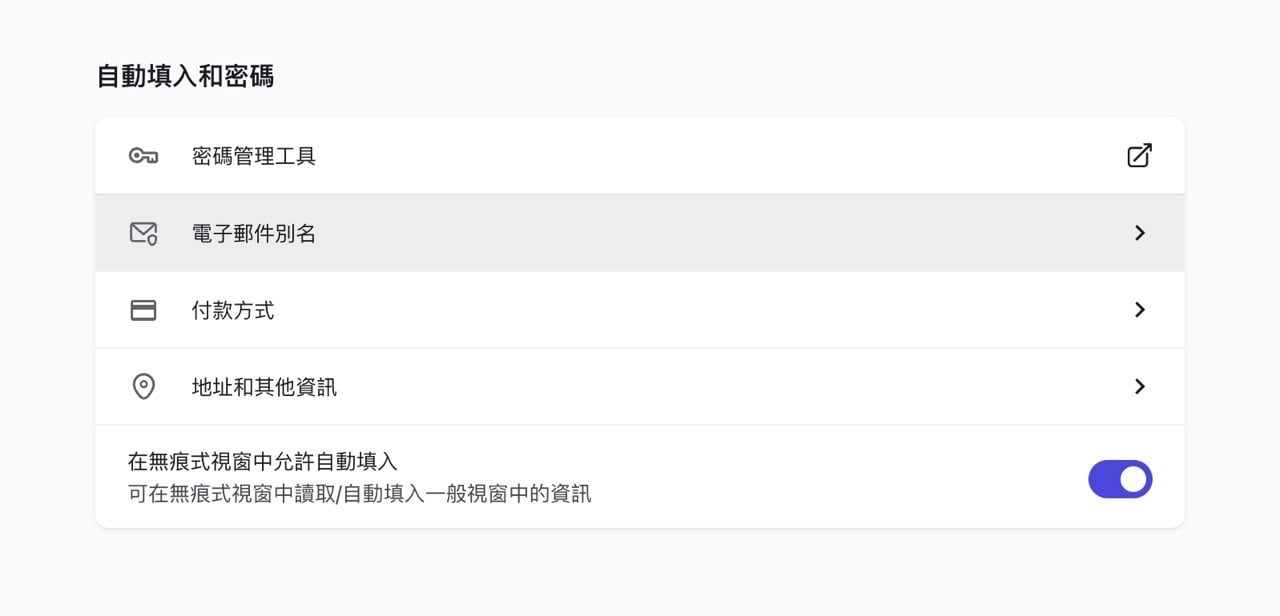
Brave 瀏覽器近期在 Nightly 版本加入全新「電子郵件別名」(Email Alias)功能,使用者在註冊各類網站時,可透過此功能產生隨機的電子郵件別名(以 @bravealias.com 結尾),信件會自動轉寄到真實的主信箱,藉此隱藏真實 Email 並避免日後收到垃圾郵件。最多可建立五個免費的電子郵件別名,舊的別名隨時都能刪除,但無法自訂電子郵件名稱。
電子郵件別名的運作原理與隱私保護
Brave 在支援中心有提供電子郵件別名的運作原理詳細說明,基本上與 Brave 公司理念相符,竭力減少收集和處理的資料,僅儲存與使用者關聯的 Brave 帳號電子郵件地址以及建立的電子郵件別名。除此之外,Brave 處理郵件時也遵循:
- 官方不讀取信件內容,僅為了維持信箱信譽而進行標準的垃圾信件與病毒過濾。
- 信件成功轉寄後,伺服器會在數秒內完全刪除資料。
- 使用者為別名信箱建立的「備註」僅儲存於本機端,若啟用 Brave Sync 則採端對端加密同步。
類似的電子郵件別名服務相信大家都不陌生,例如知名的 Firefox Relay 能建立 50 個別名,被 Proton 收購的 SimpleLogin 和 DuckDuckGo 提供的 Email Protection 等,功能上其實大同小異。
如果是 Brave 瀏覽器使用者可考慮未來直接使用內建於瀏覽器的 Brave 電子郵件別名功能,好處是不用額外下載、安裝擴充功能,只要有 Brave 帳號就能在登入後使用,快速建立郵件別名、將郵件轉寄到真實信箱,避免洩漏真實身分,也能隨時將不需要的別名刪除(停止轉寄)。
Brave 電子郵件別名使用教學
開啟電子郵件別名功能
在寫這篇文章時,Brave Email Alias 電子郵件別名功能只在開發者版本(Nightly)提供,未來在加入測試版(Beta)後才會成為正式版(Stable)功能,如果還沒看到這項功能需要等待一段時間。
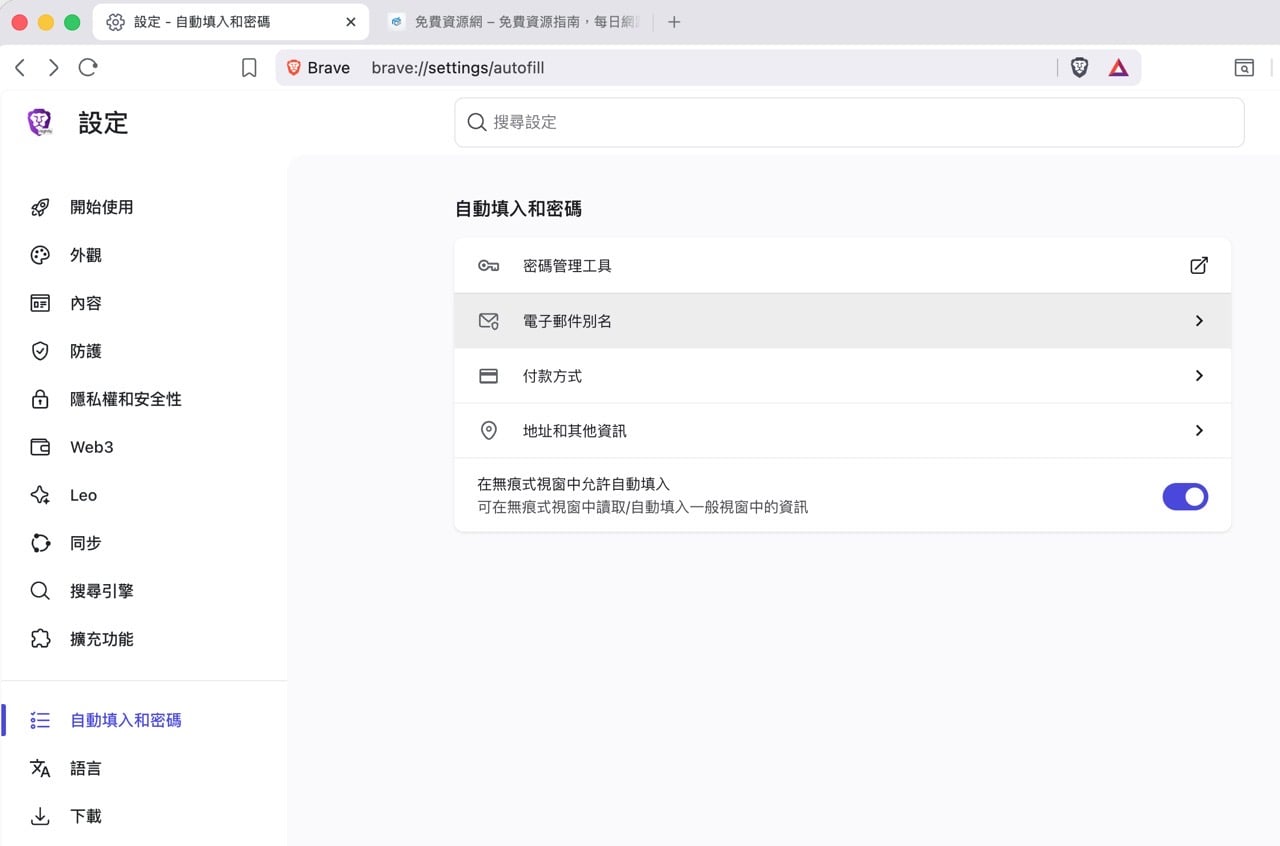
從 Brave 瀏覽器設定頁面找到「自動填入和密碼」後就會看到「電子郵件別名」功能。
登入或註冊 Brave 帳號
在使用電子郵件別名時,需要先登入或註冊一個 Brave 帳號,這個 Email 地址會成為轉寄的目標信箱。
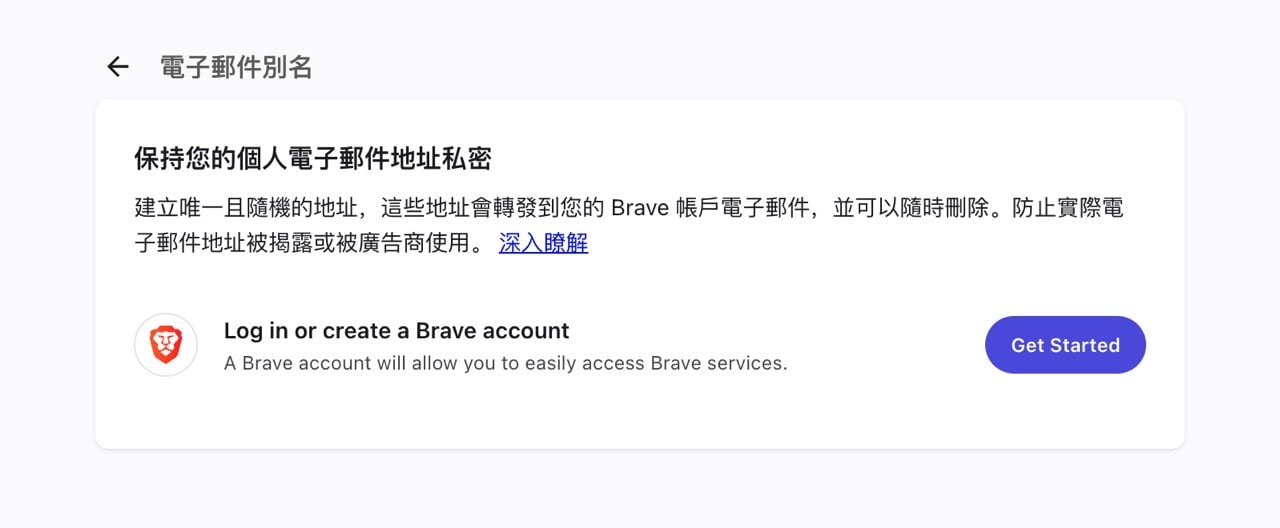
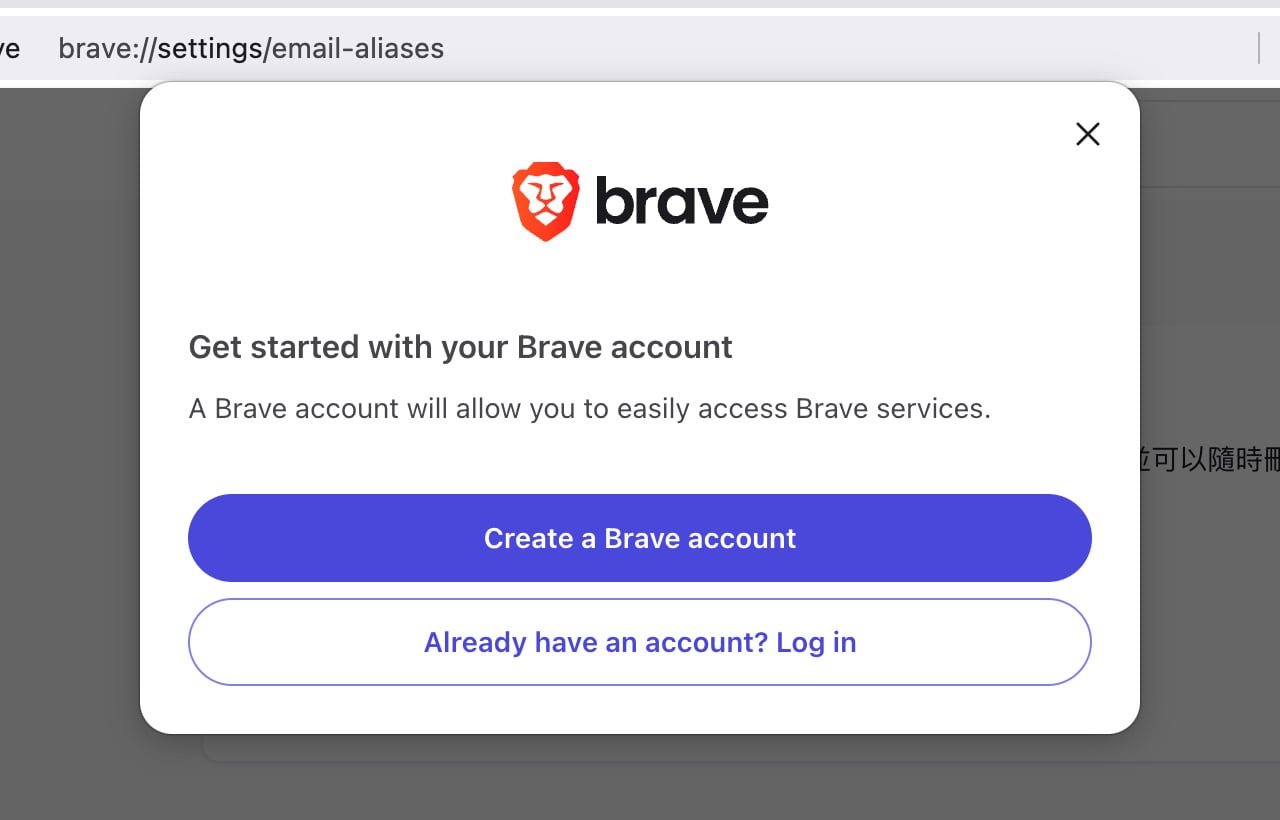
若有使用 Brave 瀏覽器應該也會有帳號,直接登入即可,沒有的話也能免費註冊一個,步驟很簡單。
新增與產生隨機別名
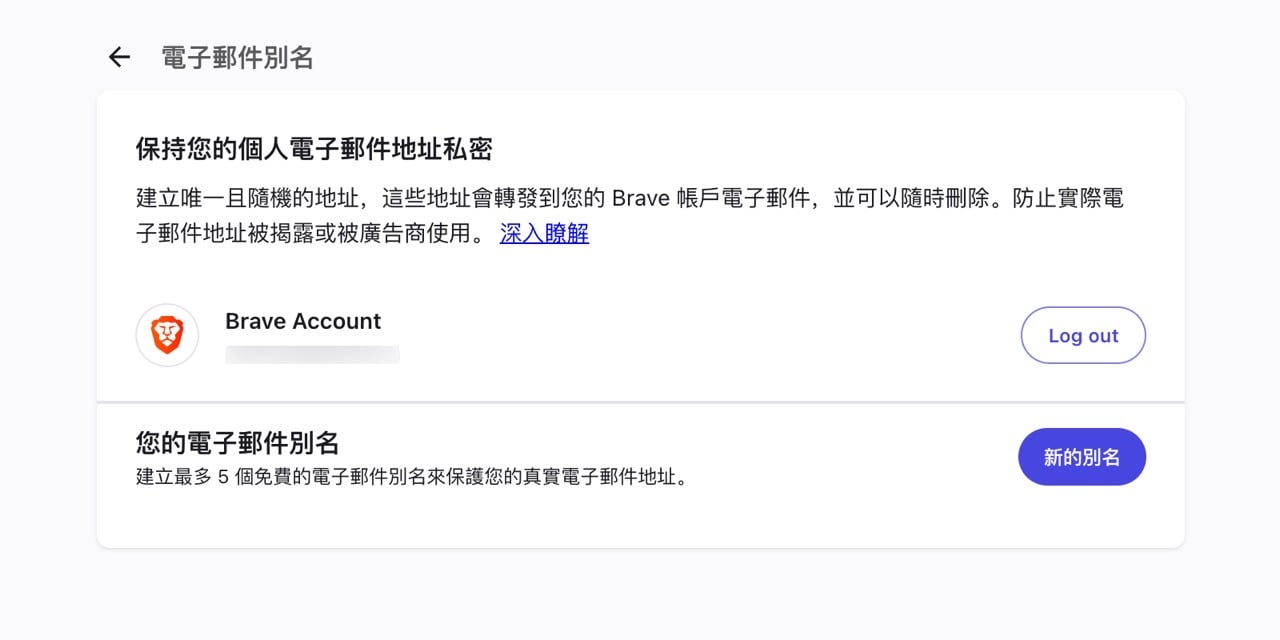
接著就能開始新增別名,使用者可建立最多五個免費的電子郵件別名,建立後也能隨時刪除。
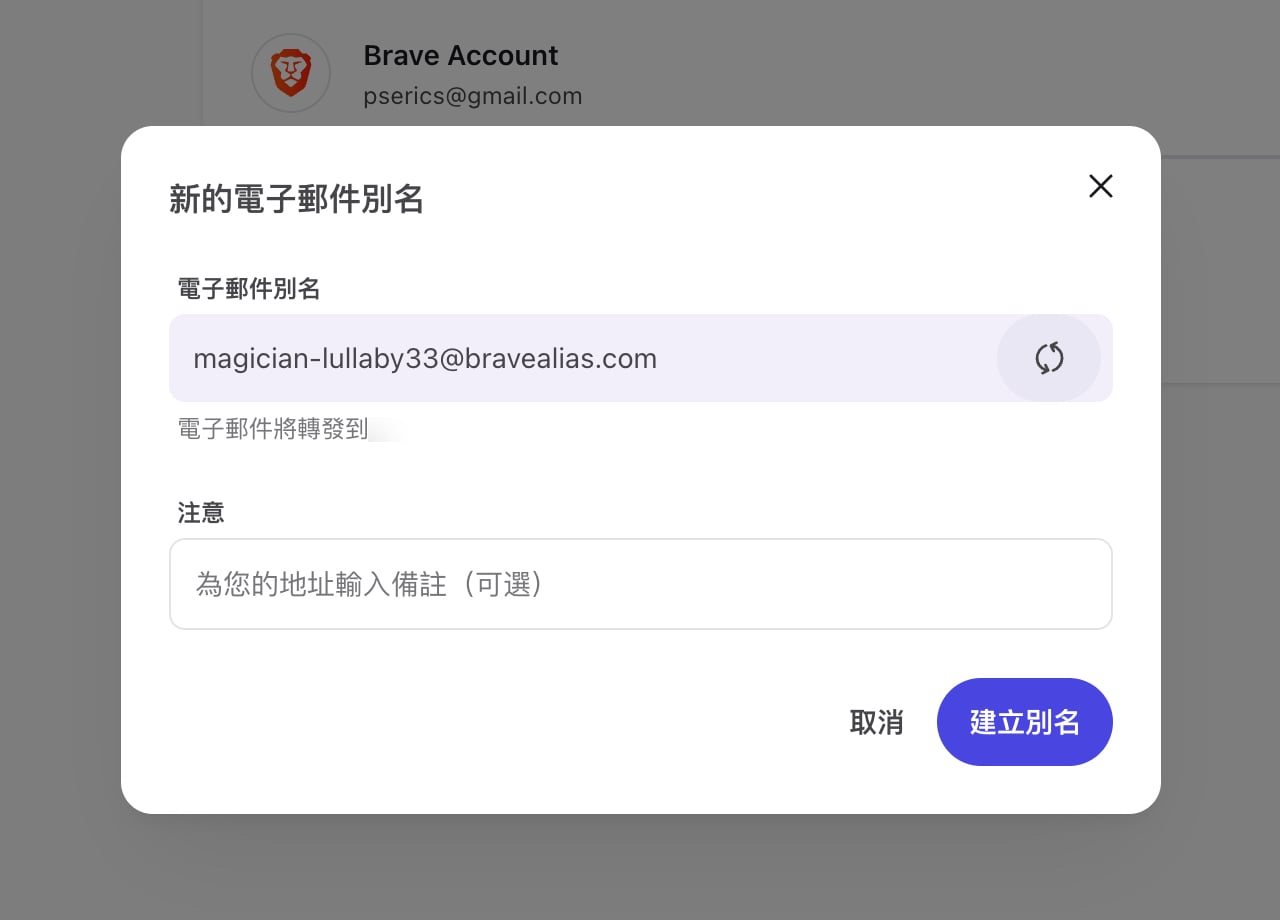
建立新的電子郵件別名時會隨機生成名稱,同時將電子郵件自動轉發到使用者的真實信箱,無法自訂別名名稱,不過可加入備註。
管理別名與接收轉寄信件
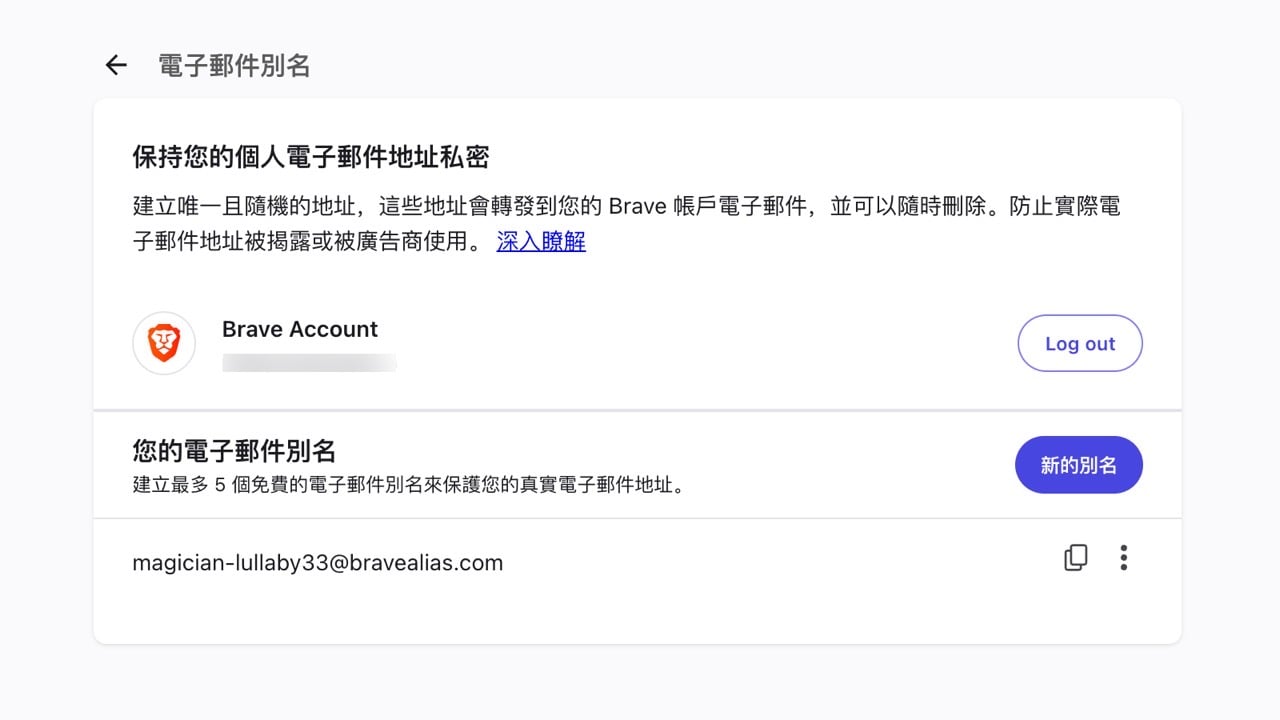
建立的電子郵件別名會顯示在頁面上,隨時可以點選右側按鈕複製 Email 地址或是刪除。
當有郵件寄送到 Brave 電子郵件別名的地址,就會自動轉寄到使用者真實信箱,使用這個別名將能保護真實信箱,不會洩漏給第三方服務。
刪除與停用電子郵件別名
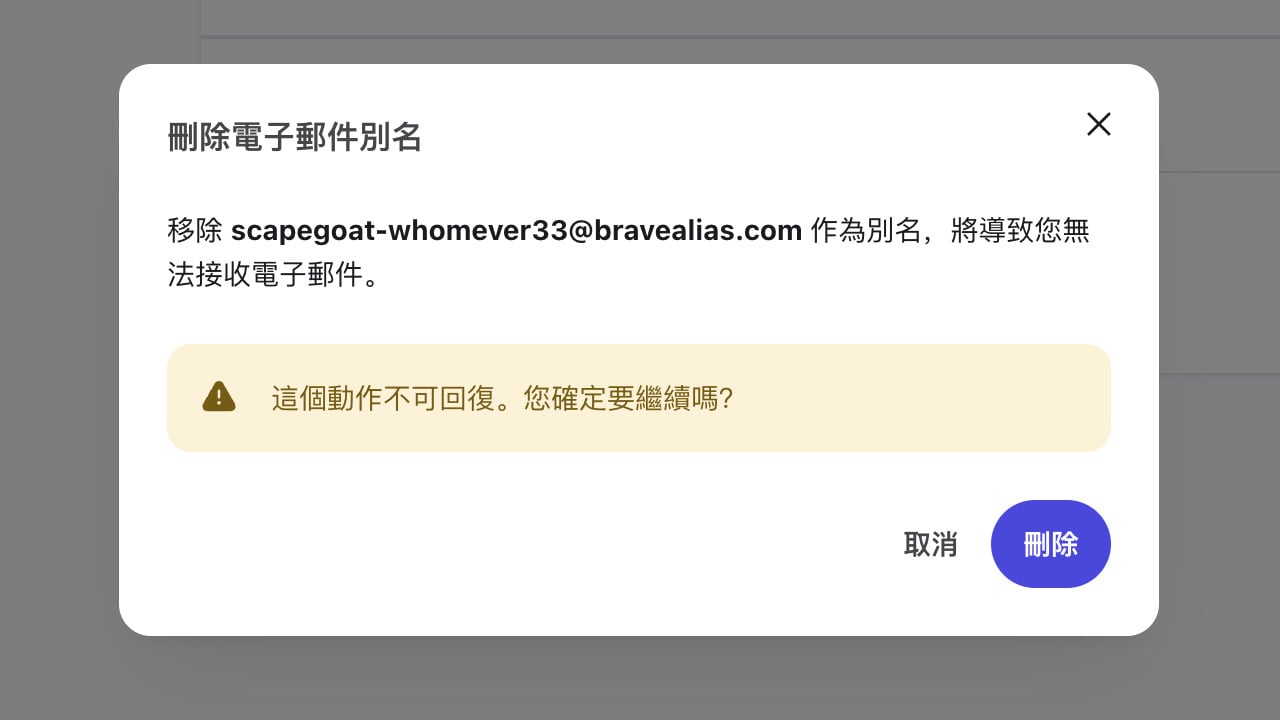
若有需要也能隨時刪除電子郵件別名,但要注意的是刪除後無法回復,也無法再取得同一個 Email 地址。
本資訊最後檢核於 2026 年 5 月。
探索更多來自 免費資源網 的內容
訂閱即可透過電子郵件收到最新文章。
PakarPBN
A Private Blog Network (PBN) is a collection of websites that are controlled by a single individual or organization and used primarily to build backlinks to a “money site” in order to influence its ranking in search engines such as Google. The core idea behind a PBN is based on the importance of backlinks in Google’s ranking algorithm. Since Google views backlinks as signals of authority and trust, some website owners attempt to artificially create these signals through a controlled network of sites.
In a typical PBN setup, the owner acquires expired or aged domains that already have existing authority, backlinks, and history. These domains are rebuilt with new content and hosted separately, often using different IP addresses, hosting providers, themes, and ownership details to make them appear unrelated. Within the content published on these sites, links are strategically placed that point to the main website the owner wants to rank higher. By doing this, the owner attempts to pass link equity (also known as “link juice”) from the PBN sites to the target website.
The purpose of a PBN is to give the impression that the target website is naturally earning links from multiple independent sources. If done effectively, this can temporarily improve keyword rankings, increase organic visibility, and drive more traffic from search results.