這幾天的新聞是知名的擴充功能「Save image as Type」被標記為惡意軟體並遭 Google 下架,簡單說明一下,有研究人員發現該外掛程式在某個版本之後加入 inject.js 檔案,這個檔案裡包含惡意程式碼,在使用者瀏覽特定網站(例如亞馬遜、百思買等)載入一個包含聯盟程式碼的網站,偷偷植入自己的推廣鏈結,並從中賺取佣金。
這件事被揭露後 Google 就將擴充功能從 Chrome 線上應用程式商店下架,目前在 GitHub 也找不到了,如果有安裝這個外掛程式的使用者也無需擔心,預設情況會自動停用、關閉擴充功能,只要將它從擴充功能移除即可,目前看起來影響不大。
尋找 WebP 轉檔替代方案
不過也有不少使用者在尋找 Save image as Type 替代方案,畢竟這個外掛程式真的很好用,可將網頁上的圖片右鍵另存為特定格式,對於存圖片時常遇到 WebP 格式的使用者也非常方便,節省還要將 WebP 手動轉檔的問題。
如果你跟我一樣也很喜歡 Save image as Type,接下來推薦三個替代方案都可以試試看(它們功能大同小異)。
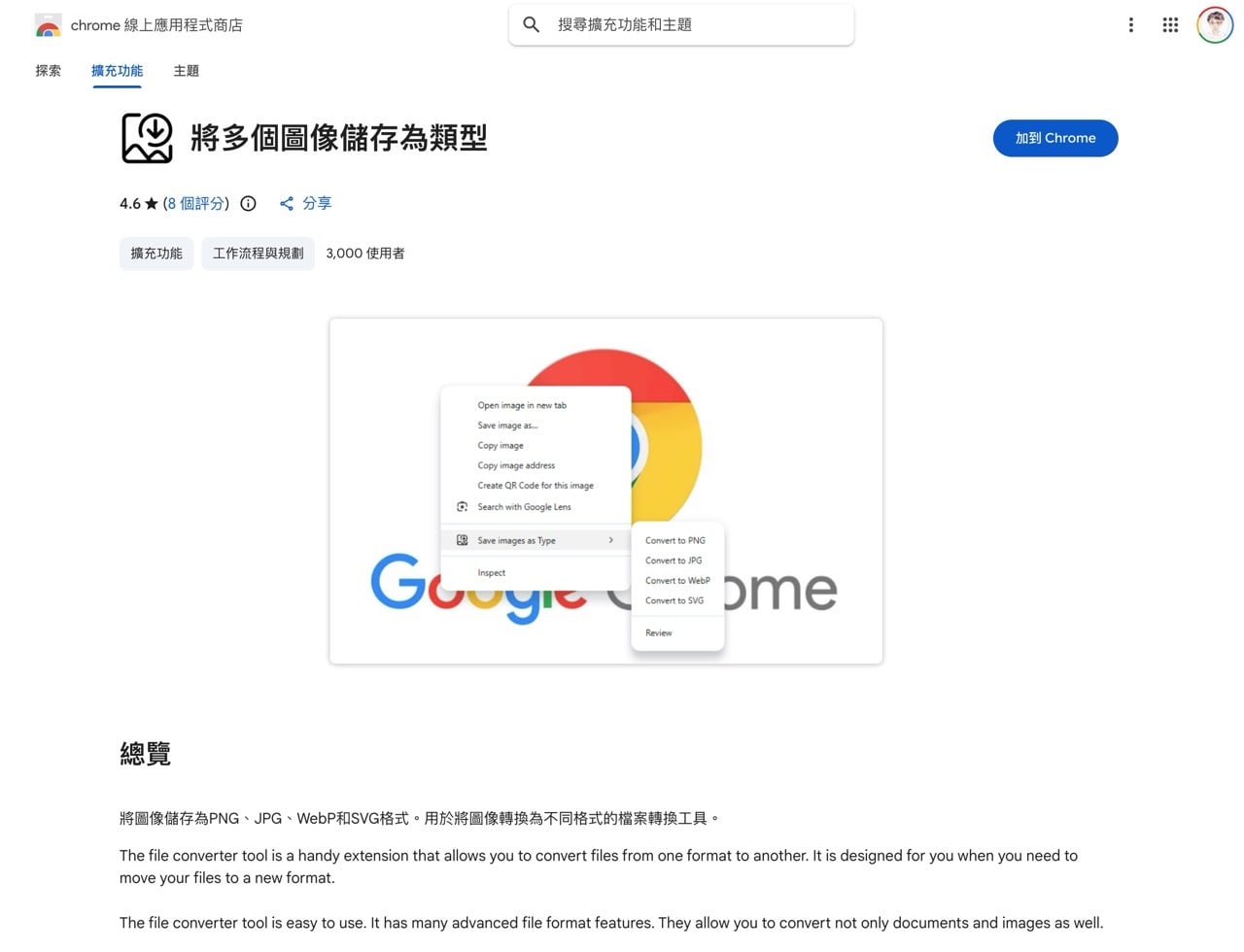
📣 推薦方案 1:將多個圖像儲存為類型(Chrome 擴充功能)
第一個要推薦的「將多個圖像儲存為類型」是 Chrome 擴充功能,它的英文名稱一樣是「Save image as Type」,功能很簡單,將圖片儲存為 PNG、JPG、WebP 和 SVG 格式,只要在圖片點選右鍵、選擇要儲存的格式即可,它會自動將圖片轉檔為不同格式。
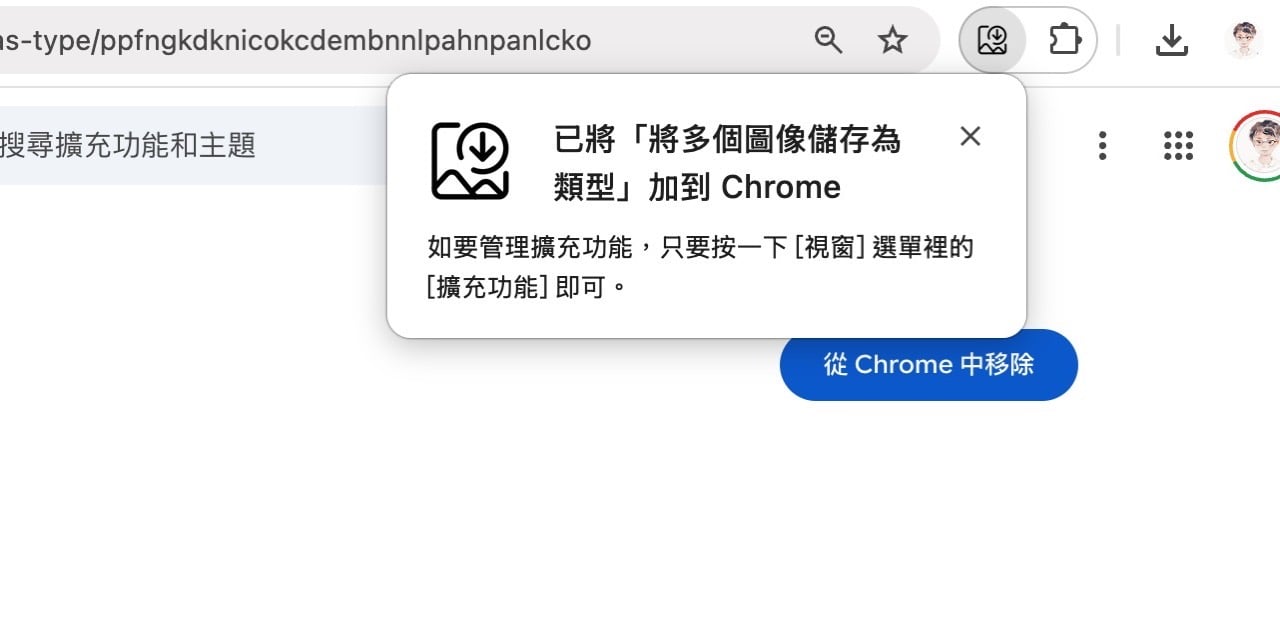
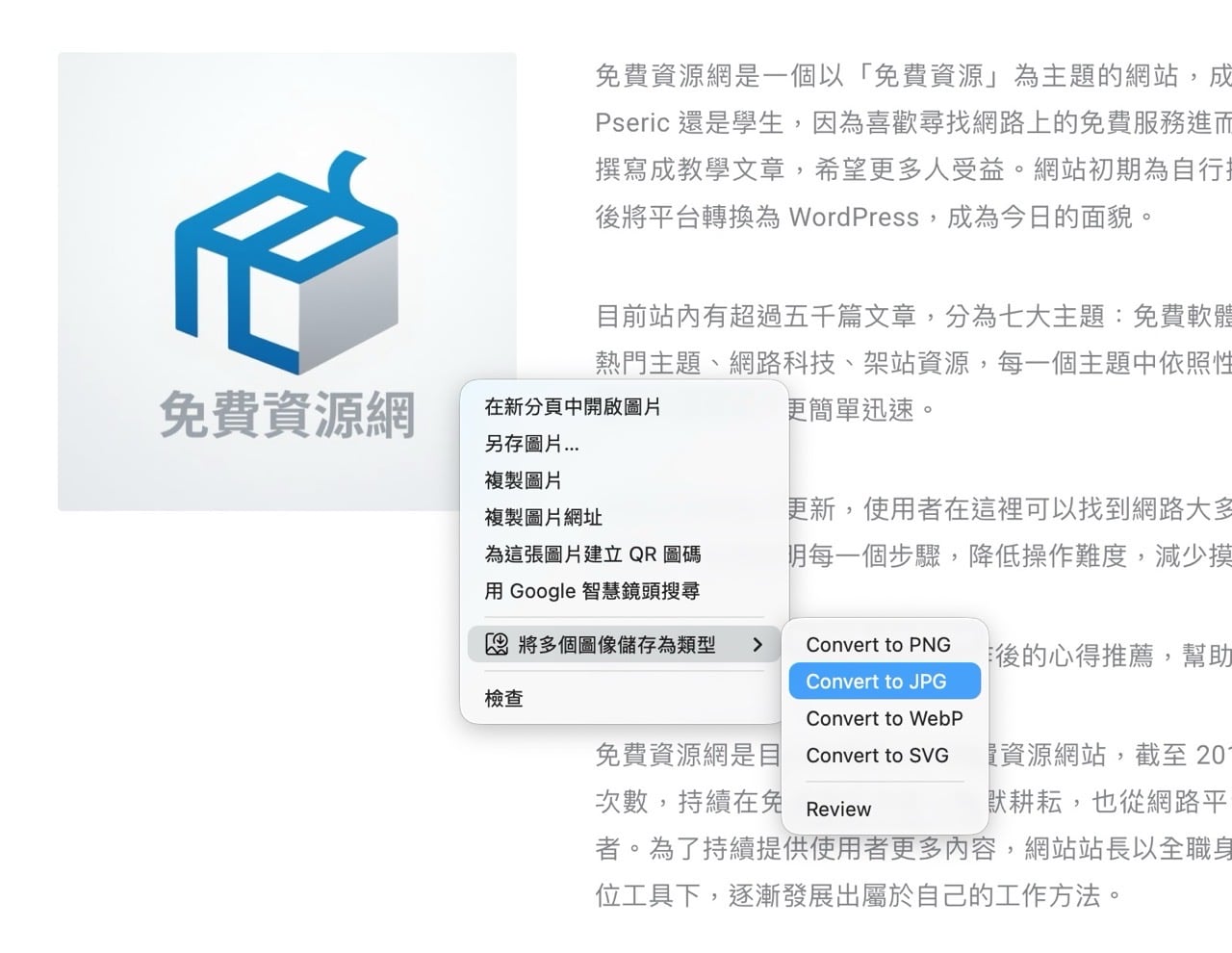
安裝後在圖片按下滑鼠右鍵就會看到「將多個圖像儲存為類型」的選項,選擇要轉換的格式即可儲存,基本上和出狀況被下架的 Save image as Type 功能如出一轍。
📣 推薦方案 2:Save Image As Type(2026 更新版)
第二個也是同名的 Chrome 擴充功能「Save Image as Type」,相較於前一個最後更新是 2025 年,這個擴充功能的更新日期較新(在寫這篇文章時是 2026 年),不過兩者的功能差不多,而且圖示上來說我覺得前一個比較好看。
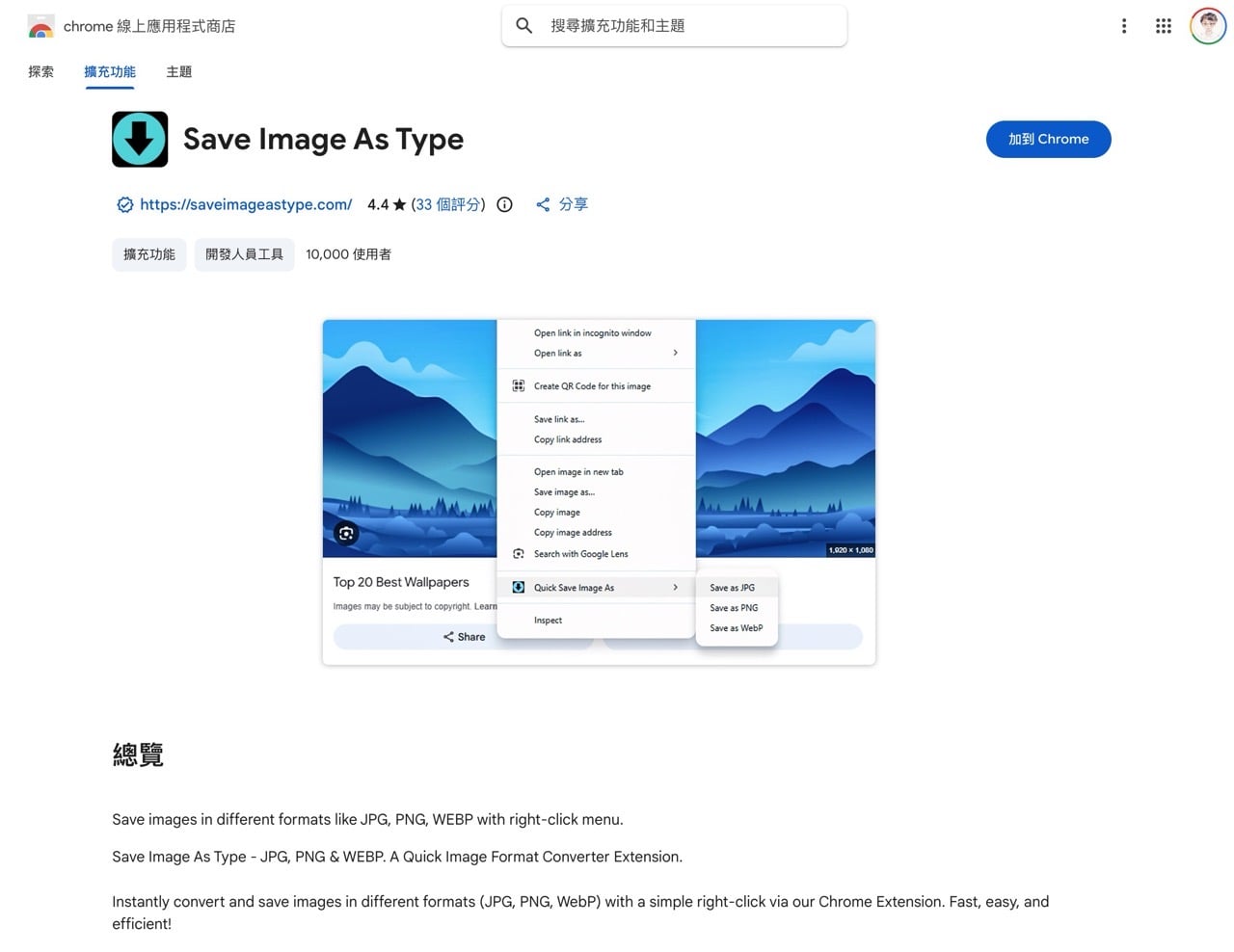
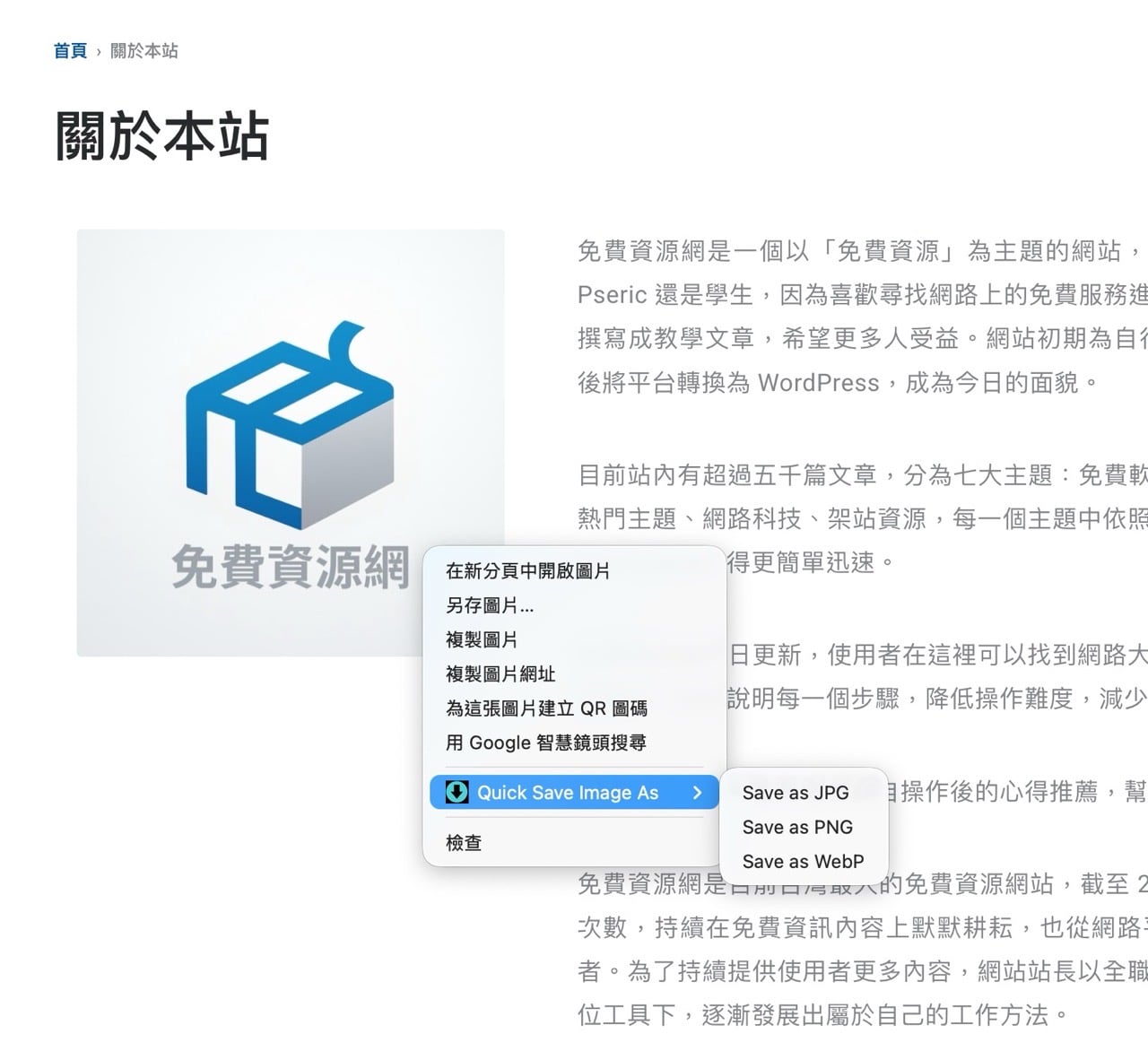
安裝後一樣是在圖片點選右鍵,就會出現「Quick Save Image As」選項,可將圖片保存為 JPG、PNG 或 WebP,相較於「將多個圖像儲存為類型」來說少了一個 SVG 格式,如果用不到的話倒是沒什麼關係。
📣 推薦方案 3:Save Image as Type v2(開源乾淨版)
最後的這個「Save Image as Type v2」比較特別,它是國外開發者從原版的 Save Image as Type 分支(fork)過來的專案,已經移除掉那些隱藏、有問題的惡意程式碼,而且額外加入可儲存為 GIF 格式的選項,特色是開放原始碼,任何開發者都能去檢查原始碼有沒有問題。
Save Image as Type 其實一開始是正常乾淨的擴充功能(而且只有 5.9 KB),直到 2024 年底才被安全人員發現加入惡意程式碼,這個算是將擴充功能退回到乾淨的版本,如果你仍然偏好原版的擴充功能,可以試著安裝看看。
從 GitHub 下載專案檔
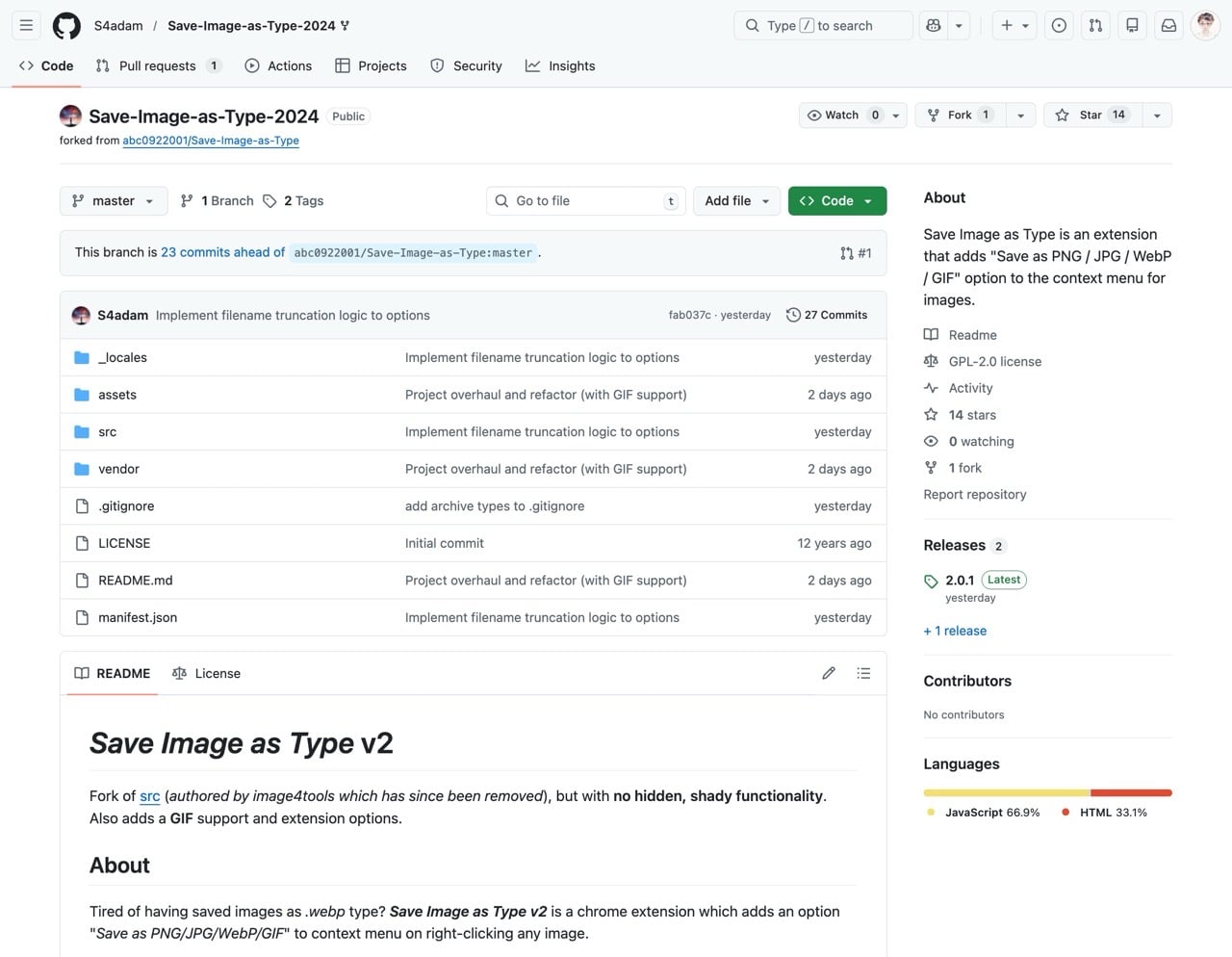
不過 Save Image as Type v2 沒有在 Chrome 應用程式商店上架,需要先去 GitHub 下載 ZIP 壓縮檔。
開啟開發人員模式並安裝
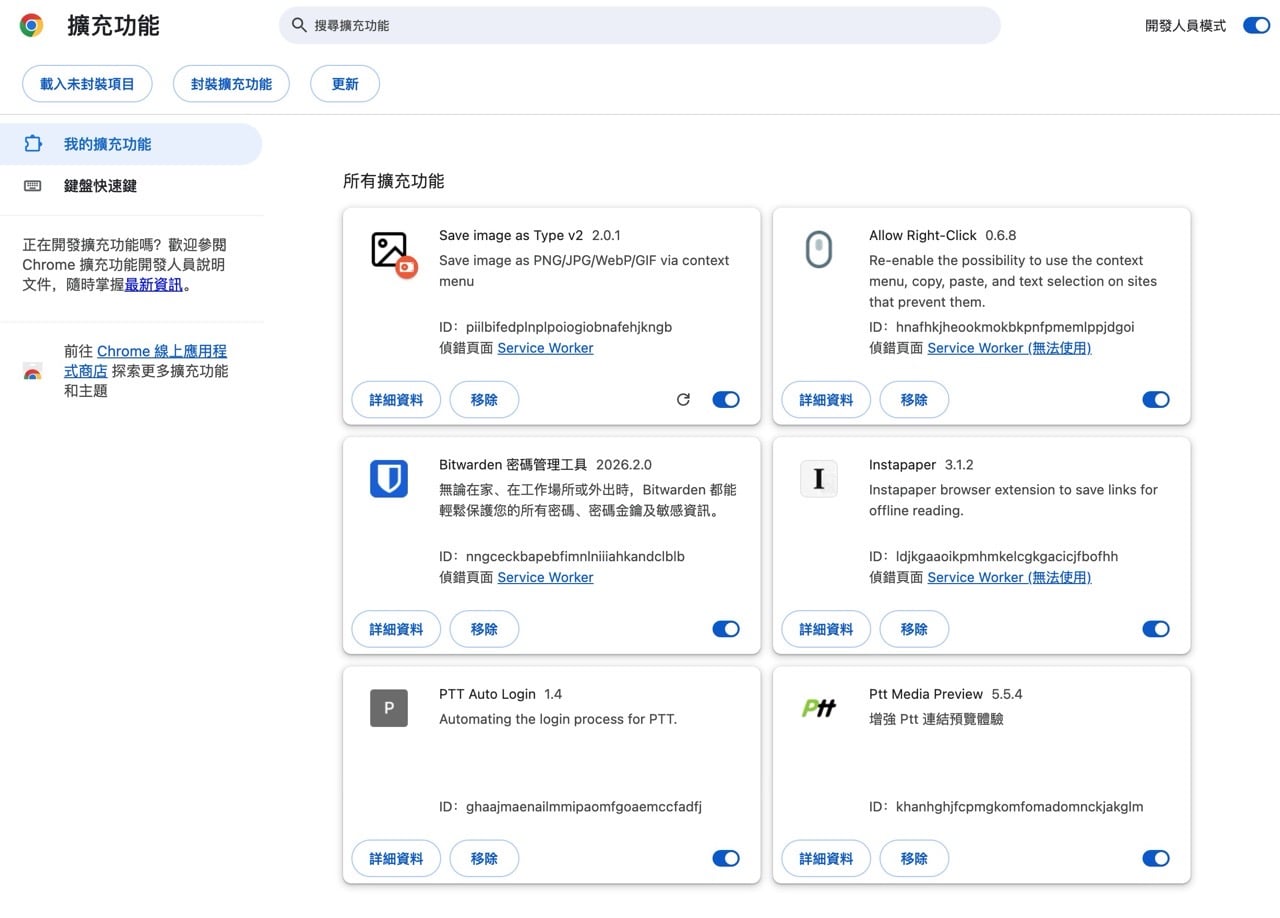
安裝時會需要打開擴充功能右上角的「開發人員模式」,再把 ZIP 檔拖曳進去就會自動安裝。
右鍵另存圖片與自訂設定
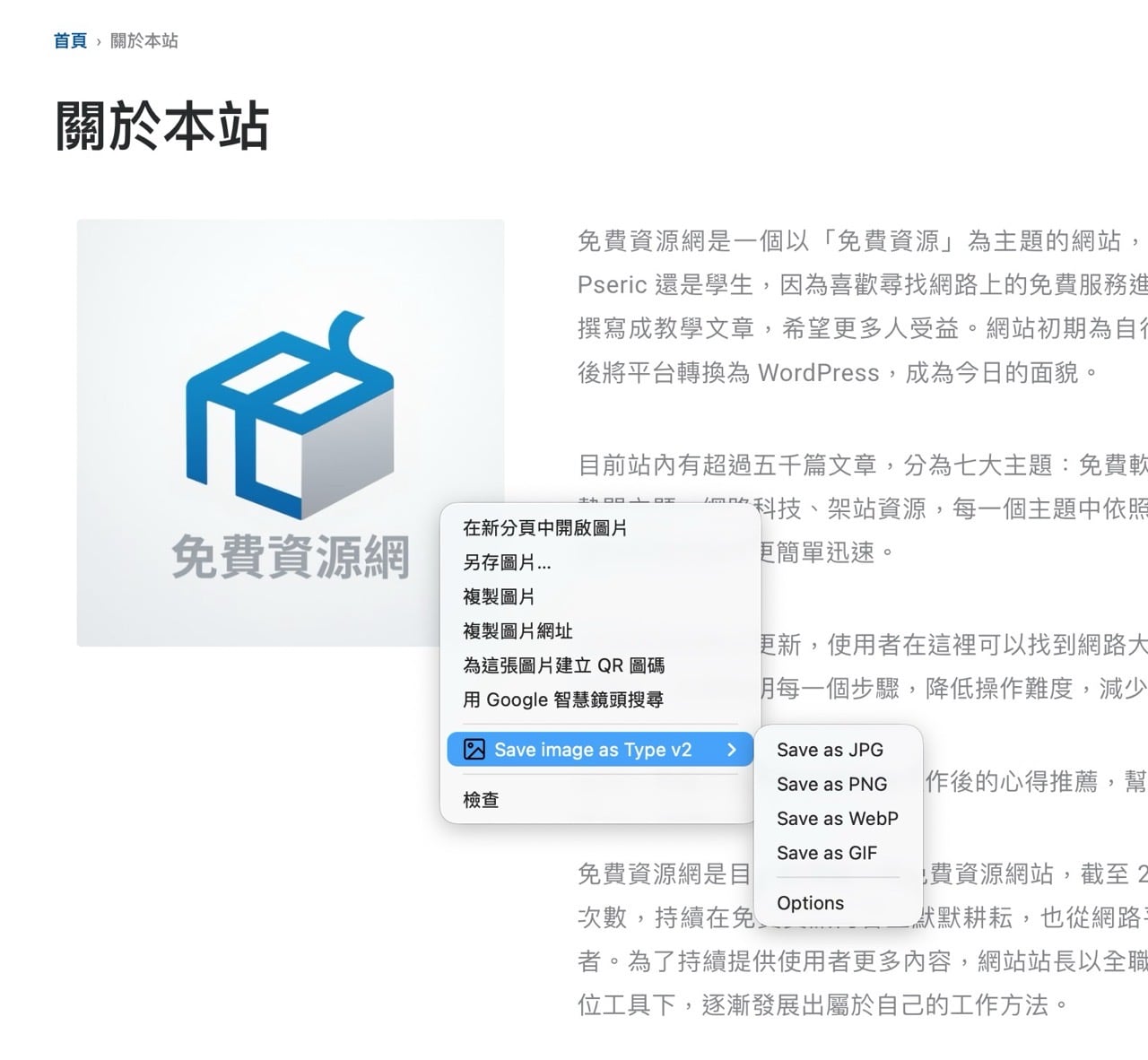
安裝後在圖片點選右鍵就會顯示熟悉的「Save Image as Type v2」,可將圖片另存為 JPG、PNG、WebP 或 GIF 四種格式。
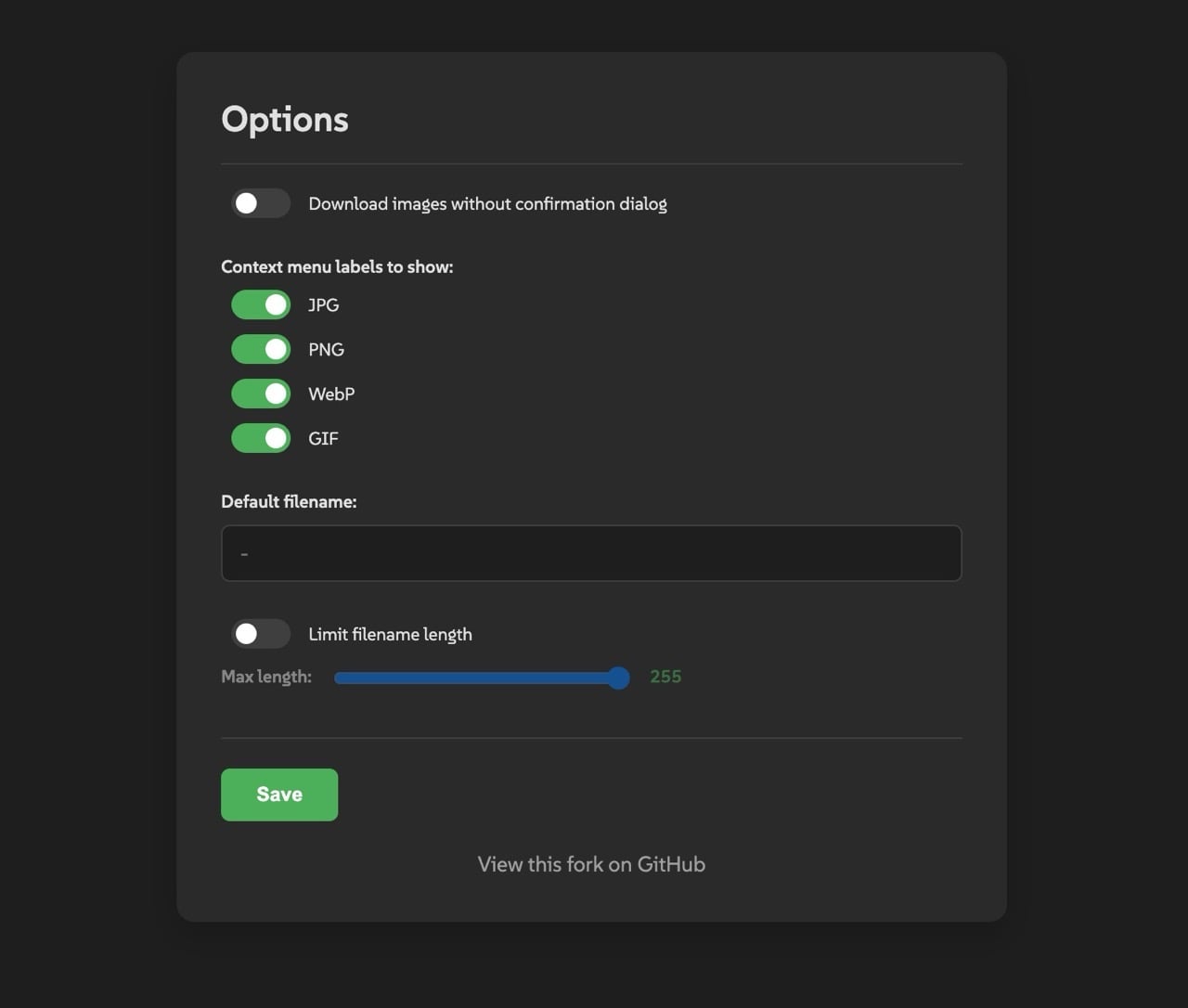
進入設定選項後還能調整要在選單列顯示的格式,如果有些格式用不到也可以關掉,我建議將第一個「下載圖片時不跳出確認視窗」打開,在操作上會更順手,此外,這個擴充功能還能自訂預設的檔案名稱、限制檔名長度,相對來說比前兩個外掛程式還要更彈性一些。
總結
這次惡意軟體事件再次提醒使用者,即便是原本安全的外掛也可能在更新後變調。
如果有長期依賴這類工具處理 WebP 圖片,也要特別留意是不是可能有潛藏不安全的問題,本文特別推薦三款我親自測試過的替代方案,目前我最推薦開源的 v2 版本(也是我現在使用的功能),雖然安裝稍嫌繁瑣,但透明的程式碼讓人更安心,且自訂檔名功能相當實用。建議大家儘速移除舊版,換上新工具維持工作效率。
PakarPBN
A Private Blog Network (PBN) is a collection of websites that are controlled by a single individual or organization and used primarily to build backlinks to a “money site” in order to influence its ranking in search engines such as Google. The core idea behind a PBN is based on the importance of backlinks in Google’s ranking algorithm. Since Google views backlinks as signals of authority and trust, some website owners attempt to artificially create these signals through a controlled network of sites.
In a typical PBN setup, the owner acquires expired or aged domains that already have existing authority, backlinks, and history. These domains are rebuilt with new content and hosted separately, often using different IP addresses, hosting providers, themes, and ownership details to make them appear unrelated. Within the content published on these sites, links are strategically placed that point to the main website the owner wants to rank higher. By doing this, the owner attempts to pass link equity (also known as “link juice”) from the PBN sites to the target website.
The purpose of a PBN is to give the impression that the target website is naturally earning links from multiple independent sources. If done effectively, this can temporarily improve keyword rankings, increase organic visibility, and drive more traffic from search results.